Tenant & Leasing · 5 min read · Published 17/11/2026
Factory Rental Deposits in Malaysia: What Tenants Should Prepare
Separate refundable deposits from expenses and prepare a complete occupation budget before agreeing to factory tenancy terms.
By InnerProp
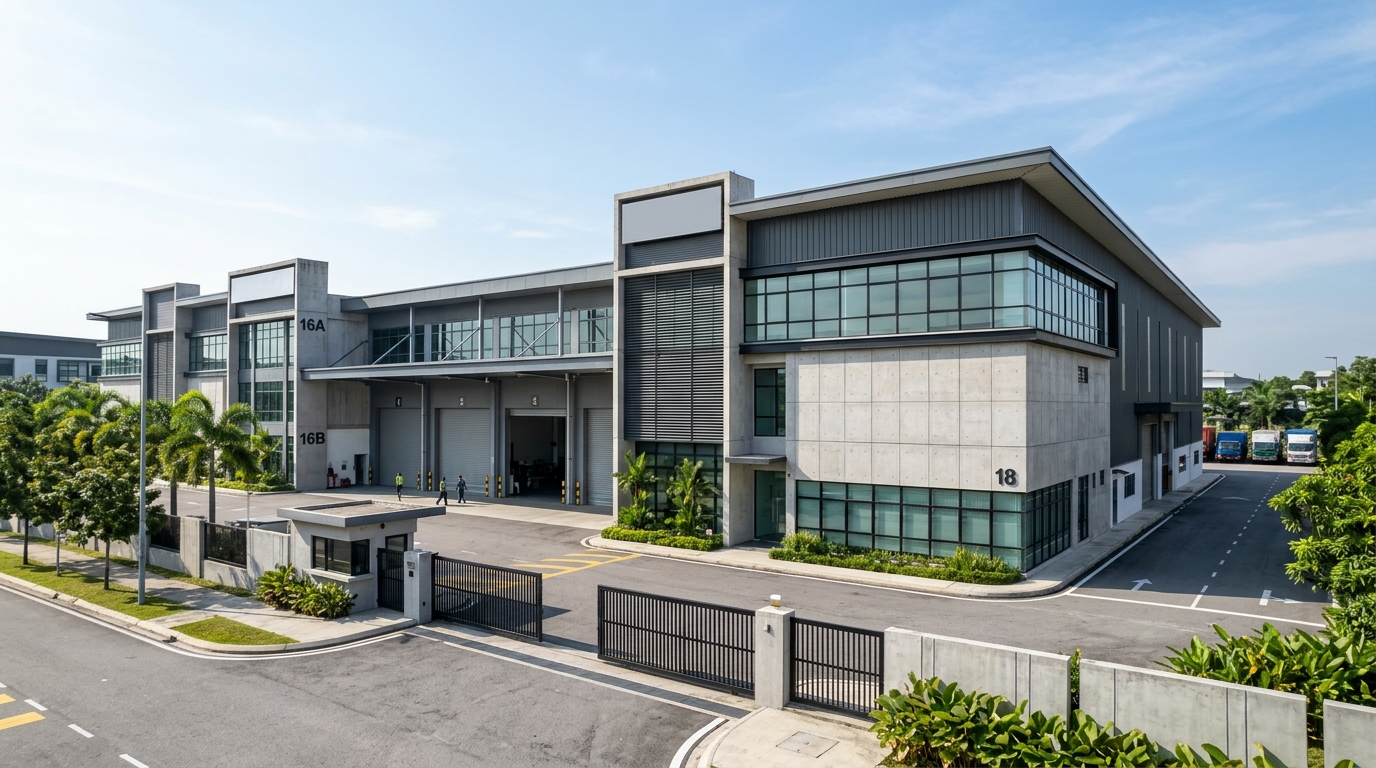
Factory rental deposits can tie up a substantial amount of business cash before production starts. The headline rent is only one part of the amount needed to secure premises, arrange utilities and prepare the building for occupation.
There is no single deposit package that should be assumed for every Malaysian factory. Amounts and conditions are negotiated, while utility providers and building managers may have their own requirements. Ask for an itemised schedule and understand what each payment does before signing or transferring funds.
Start with a payment schedule
List every requested amount, the recipient, due date, purpose and refund conditions. Distinguish advance rent from deposits, and distinguish money paid to the landlord from money payable to a utility provider or management body.
A schedule should show the total cash required at the offer stage, on signing the tenancy agreement, before handover and before operations begin. This prevents a business from treating the first payment as the complete occupation budget.
Use the Selangor factory rental checklist alongside the financial schedule. Deposits should follow a clear understanding of the property and agreement, rather than substitute for due diligence.
Advance rent is different from security
Advance rent is generally applied to an identified rental period under the agreement. Confirm which month or period it covers and when the next rental payment becomes due. Avoid ambiguous wording that leaves both parties expecting payment for the same period.
A rental security deposit supports obligations stated in the tenancy agreement. Check the circumstances allowing deductions, the evidence required and the process for returning any balance. Do not assume the deposit can automatically replace the last months' rent.
If an initial payment is described as an earnest or booking deposit, establish how it is held, when it becomes part of the tenancy payments and the events that permit refund or forfeiture. Have the document reviewed before paying.
Utility deposits need their own explanation
Clarify whether electricity and water accounts will be in the tenant's name, remain in the landlord's name or be supplied through a building arrangement. Identify the provider's deposit and any separate amount requested by the landlord.
Opening an account in the tenant's name does not, by itself, answer whether the landlord also seeks security for utility-related obligations. Discuss the reason and avoid counting the same payment twice in your budget.
Power upgrades can create additional costs beyond deposits. The factory electricity supply guide explains why existing supply, internal works and upgrade responsibilities should be checked before the occupation budget is finalised.
Understand specialist deposits
A landlord or building manager may request a renovation, reinstatement, lift, equipment or other specialist deposit. These are property-specific terms, not a standard list that applies to every factory.
For each amount, ask what obligation it secures and whether that obligation overlaps with another deposit. For a renovation deposit, establish the approved work, inspection process, completion requirements and return timetable. For equipment, identify the asset and how damage is distinguished from wear or a pre-existing defect.
If a deposit relates to an extension or alteration, payment does not establish that the work is approved. Check the approval position separately and document who is responsible for the application and any required removal.
An illustrative cash requirement
Suppose a hypothetical factory has monthly rent of RM20,000. The negotiated package is one month of advance rent, two months of rental security, half a month of utility security and one month of renovation security.
The initial total would be RM90,000: RM20,000 advance rent plus RM40,000 rental security, RM10,000 utility security and RM20,000 renovation security. This is arithmetic for an example, not a statement of required market terms or a quotation for a real property.
The business would still need funds for fit-out, relocation, tenancy agreement fees and stamping estimates, any applicable taxes and provider charges. Some deposits may be recoverable, but they remain unavailable for stock and payroll while held.
Protect the refund process
Agree an inventory and condition record at handover. Photograph existing damage and record meter readings, keys and equipment. Ensure both parties acknowledge the record so later deductions can be assessed against a shared starting point.
The agreement should address when a refund is due, how deductions are explained and what happens if final utility bills are not available immediately. Ask whether an undisputed balance can be returned while a specified retention is held for outstanding items.
Avoid relying on a general promise that deposits will be returned if “everything is okay”. Define the relevant obligations and evidence. A lawyer can help make those terms workable for the particular tenancy.
Negotiate the package as a whole
A landlord may consider the tenant's business profile, proposed works, equipment and financial strength when discussing security. A tenant can explain the requested reduction with a clear reason, such as separate utility accounts or limited renovation work.
Look at the total commitment rather than one deposit in isolation. Lower security may come with a guarantee or other obligation that carries a different risk. Review those trade-offs before accepting them.
When enquiring about a candidate such as the HICOM warehouse and office premises, request the current deposit terms directly. The publicly advertised rent does not establish the landlord's final security requirements.
Before making payment
- Confirm the premises and contracting parties.
- Obtain the written payment and refund terms.
- Verify the recipient and payment instructions through trusted channels.
- Record how the payment is allocated and obtain a receipt.
- Keep enough cash for occupation work and business operations.
Budget beyond the deposit total
A clear deposit schedule helps the business negotiate sensibly and avoid a cash shortage before opening. This is general property guidance, not legal or financial advice for a particular agreement.
Explore Victor's InnerProp portfolio and enquire with your preferred location, factory requirements and total move-in budget. Include the cash available for deposits and works, so the shortlist reflects the full commitment.