Industrial & Warehouse · 5 min read · Published 17/11/2026
Understanding Factory Electricity Supply in Malaysia: 100A, 200A, 300A and Beyond
Learn what advertised amperage tells you, what it leaves unanswered and how to verify supply capacity before committing to a factory tenancy.
By InnerProp
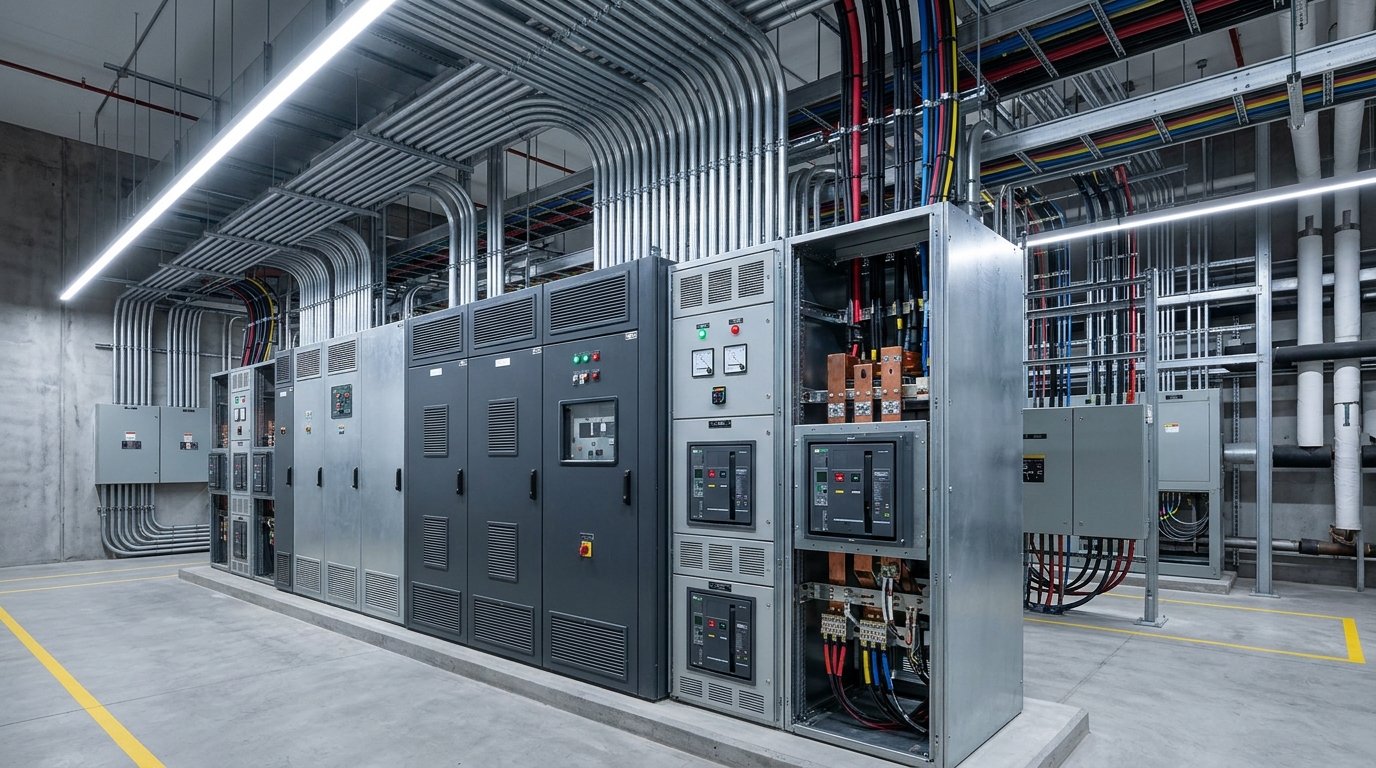
A factory advertisement stating 100A, 200A or 300A gives useful information, but it does not answer the most important question: can the premises safely support your operation? Power requirements depend on the equipment, supply arrangement, starting currents and how the business runs throughout the day.
For Malaysian industrial tenants, the aim is to confirm a suitable connection before signing, then allocate any upgrade work clearly. An attractive rent is little comfort if machinery cannot start when production is due to begin.
What the ampere figure means
Amperes measure electrical current. Kilowatts measure real power, while kilowatt-hours measure energy consumed over time. These are different quantities. A monthly electricity bill showing energy consumption does not, by itself, prove the maximum supply capacity available at the building.
An advertised ampere rating might refer to a main switch, an existing connection or a proposed upgrade. Ask which one is being described. Also establish whether the supply is single-phase or three-phase and whether the rating is per phase in the stated arrangement.
For a three-phase system, the relationship between current and real power depends on voltage and power factor. Avoid treating an ampere figure as a guaranteed machine capacity. A qualified electrical professional should make the assessment using the actual installation and load schedule.
Why 100A, 200A and 300A are not business categories
There is no reliable rule that a particular amperage automatically suits all small, medium or large factories. A storage operation with lighting and occasional handling equipment differs from a workshop with compressors, welding equipment and continuous machinery.
A 200A building may be suitable for one business and inadequate for another with a similar floor area. Equally, taking a much larger supply than necessary may introduce avoidable connection or installation costs. Match the property to demand rather than choosing the biggest number in an advertisement.
Read the factory versus warehouse guide if your operational brief is still being defined. The business process should come before the property shortlist.
Prepare an equipment schedule
Give the electrical adviser a list of machines and their nameplate information, including voltage, phase, rated load and starting method. Include equipment that is easy to overlook: air-conditioning, ventilation, pumps, chargers, office services and future machinery.
Explain which machines operate simultaneously and whether there are production shifts or seasonal peaks. A connected load total is not necessarily the same as assessed maximum demand. Starting a large motor can create a different issue from running it steadily.
An illustrative packaging business might operate several modest machines but add a compressor and cold room later. Assessing only the equipment present on day one could leave the premises unsuitable for the planned expansion. Reserve capacity should be an informed design decision.
Verify the existing installation
Request available supply records, relevant drawings, installation information and the landlord's written description of the current capacity. Arrange inspection by a suitably qualified professional. Do not open or test electrical equipment yourself during a viewing.
The inspection should distinguish the utility connection from the building's internal distribution. Cables, protective devices, earthing, switchgear and tenant alterations may limit what can safely be used even where the advertised incoming supply appears sufficient.
The HICOM warehouse listing advertising 800A is a live example of a property stating its power specification publicly. That statement helps identify a candidate; technical verification is still required for a particular tenant's machinery.
Understand the TNB application route
TNB's Electricity Supply Application Handbook guidance distinguishes applications up to 100A from those exceeding 100A. Its published guidance describes a registered electrical contractor route for the former and an electrical consultant engineer route for the latter.
The required supply arrangement depends on assessed demand and technical conditions. An upgrade may involve more than changing a switch: infrastructure, available network capacity, equipment, space and approvals can affect the work.
Ask TNB and the appointed professional to confirm the applicable process, documents, charges and programme for the actual premises. Do not translate a landlord's statement that capacity is “upgradeable” into a guaranteed approval or completion date.
Put upgrade responsibilities in writing
Before committing, agree who appoints the professional, submits the application and pays for connection charges, deposits, internal works and any infrastructure. Identify what the landlord must provide, including access, signatures and space where relevant.
Set out what happens if approval is refused, the cost is higher than expected or the completion date slips. Ask a lawyer to draft suitable conditions where power is essential to occupation. Confirm whether rent starts before the supply is ready and who owns installed equipment at the end of the tenancy.
An informal promise to discuss the cost later leaves both parties exposed when the business has already paid deposits and ordered machinery.
Compare properties on a consistent basis
The Shah Alam U10 warehouse listing publicly states 400A three-phase supply. Comparing that with another property's advertised amperage is useful only when the phase arrangement, actual approved connection and operational requirements are understood.
For each candidate, record existing verified capacity, professional assessment, required work, estimated cost and the earliest credible readiness date. Add rent and downtime to the comparison. A higher-rent building with suitable existing services may cost less overall than a cheaper unit requiring uncertain upgrades.
Before signing: five final checks
- Confirm what the advertised ampere rating refers to.
- Have the complete equipment schedule assessed.
- Verify the connection and internal installation separately.
- Obtain a property-specific upgrade plan where necessary.
- Document costs, timing and the consequences of delay.
This is general property and technical guidance, not an electrical design. Use qualified professionals and TNB confirmation for your particular installation.
Browse Victor's InnerProp portfolio and enquire with your required capacity, machinery schedule, preferred location and move-in deadline. Those details help identify premises worth a technical assessment.