Investment Strategy · 5 min read · Published 17/11/2026
Industrial Property Investment in Selangor: Rental Yield, Vacancy and Long-Term Risks
A disciplined framework for reviewing industrial rental income, tenant concentration, building costs and exit risk before investing.
By InnerProp
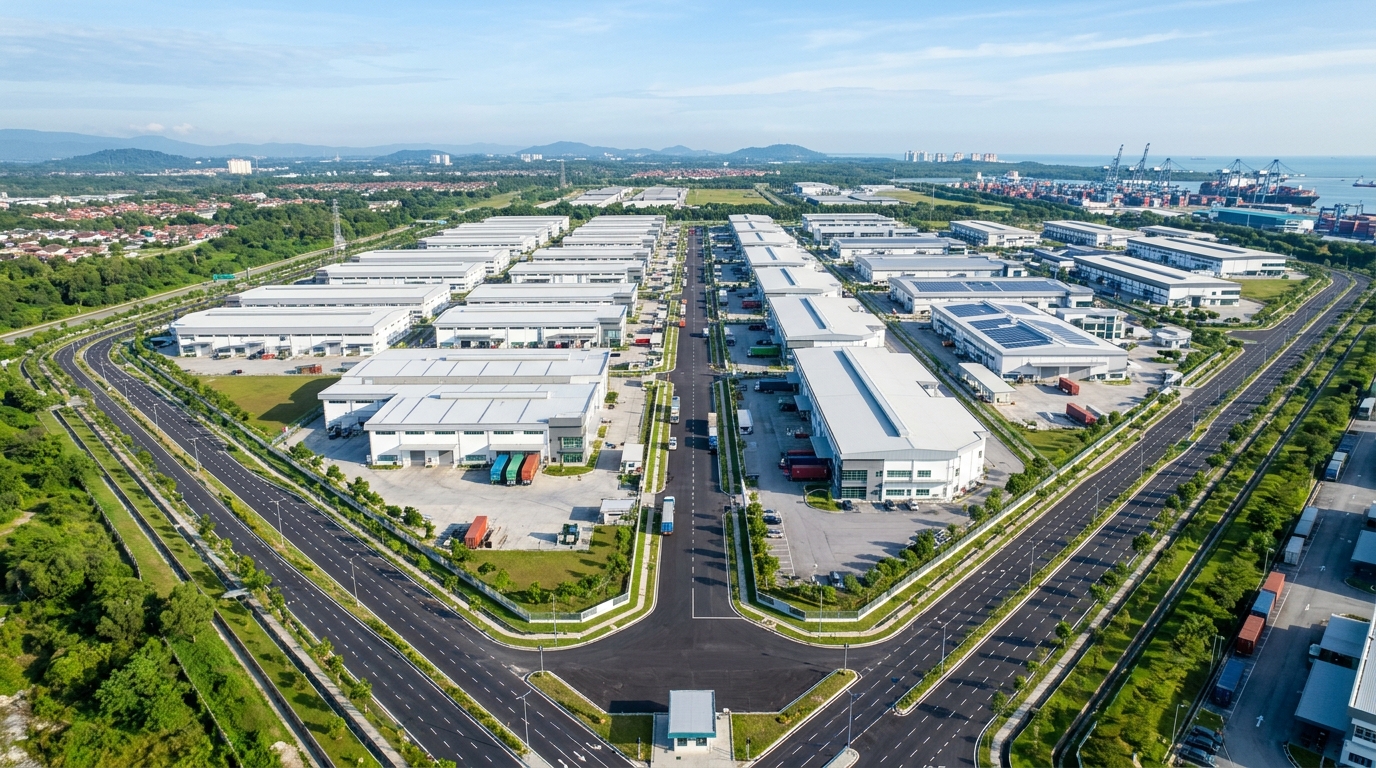
Industrial property can generate rental income, but a factory is also a specialised building with maintenance, tenant and location risks. Investors in Selangor should examine how dependable the cash flow is, how much capital the property may need and who could occupy it if the current tenant leaves.
A headline yield is useful for initial screening. It is not a complete investment decision and does not guarantee an achieved return. Build the analysis from documents, realistic assumptions and a clear understanding of the building.
Start with the income you can verify
For a tenanted property, request the signed tenancy documents, payment records, deposit details and any side agreements through an appropriate due diligence process. Distinguish contractual rent from rent actually collected.
Check expiry, renewal provisions, rent concessions, arrears and landlord obligations. A statement that a property is “fully tenanted” leaves important questions unanswered if the agreement expires soon or the tenant has negotiated substantial incentives.
The Alpine Industrial Park terrace factory listing is a live example of industrial premises marketed as tenanted. Any investor should verify unit-specific rent, tenancy terms and condition rather than converting the advertisement into an assumed income guarantee.
Calculate gross yield consistently
Gross rental yield is annual rent divided by the purchase price, multiplied by 100. It excludes operating costs, financing, acquisition expenses and tax. Use the same definition when comparing opportunities.
For illustration only, a hypothetical RM4 million property renting at RM20,000 monthly has annual rent of RM240,000 and a gross yield of 6%. This is a mathematical example, not a market benchmark or a claim about a listed property.
If the rent includes charges that the owner must pay onward, separate those items before drawing conclusions. Also distinguish an asking rent from an executed rent. An empty property's proposed income remains an assumption until a suitable tenant signs and pays.
Move from gross rent to operating income
Deduct property-level expenses that the owner actually bears: maintenance, insurance, assessments, relevant land charges, management costs and other agreed outgoings. Include realistic allowances for repairs and reletting.
Keep financing separate so you can assess both the building's operating performance and the investor's cash position. Loan principal repayments affect cash flow even though they are different from operating expenses. Obtain accounting advice for tax treatment rather than assuming every cash payment is deductible.
For a simple reducing-balance illustration, compare monthly loan repayment scenarios using InnerProp's Housing Loan Repayment Calculator. Commercial financing structures, rates, tenures and bank calculations may differ; use the lender's actual offer for the investment assessment.
Calculate returns against total acquisition cost as well as price. Legal work, duty, valuation, repairs and other purchase expenses increase the capital required to own the asset.
Model vacancy instead of assuming continuity
A vacant factory still has costs. Depending on the property and agreement, the owner may face repairs, security, insurance, holding expenses and finance payments while seeking a tenant.
Test at least a base case and a downside case. Vary vacancy duration, achievable rent, incentives and landlord works. State the assumptions clearly. Do not use a generic vacancy percentage as though it were verified market data for the exact location.
An investor receiving RM20,000 monthly loses RM120,000 of gross rent during six vacant months in a hypothetical scenario, before holding costs. That arithmetic shows the scale of interruption without predicting how long a particular property will remain vacant.
Assess the replacement tenant pool
Ask which businesses could use the property without major changes. Consider usable ground-floor space, power, floor capacity, height, loading access and approval constraints. Highly specialised installations may be valuable to one occupier but costly to adapt for another.
The HICOM detached warehouse with offices illustrates a different industrial format from terrace premises. Compare building utility and the potential occupier pool; a larger land component does not automatically produce a safer investment.
Use the factory building types comparison to examine how access, shared elements and maintenance can affect different formats.
Review tenant concentration and lease quality
A single-tenant factory can produce simple administration but concentrated income risk. Assess the tenant's business and payment capacity using an appropriate, lawful due diligence process. A recognisable name is not enough.
Review guarantees, deposits, repair allocation and renewal mechanics with a lawyer. Security may help address some obligations, but it does not remove vacancy or recovery risk. The factory tenancy clause guide identifies commercial terms worth reviewing.
Do not assume that a long remaining tenancy is always beneficial. Below-market rent, extensive owner obligations or an uncertain enforcement position can alter the assessment.
Budget for the building over time
Inspect the roof, drainage, slab, electrical installation and any included equipment. Obtain professional estimates for material work and separate immediate defects from future capital expenditure.
Consider whether the premises can meet changing operational expectations. Access constraints, obsolete layouts or difficult upgrades may narrow the future tenant pool. Avoid assuming that all improvement spending will be recovered through higher rent or resale value.
Evaluate flood and business interruption exposure with appropriate advisers and insurers. Location resilience affects both the current tenant and the ability to relet later.
Plan the exit before purchasing
Identify likely future buyers, financing constraints and the effect of tenure, title restrictions and building condition. A property can produce acceptable rent yet take time to sell. Do not treat sale proceeds as immediately available cash.
Test whether you can hold through a weaker rental or resale period. Preserve reserves rather than committing every available ringgit to the deposit and acquisition costs.
Make an evidence-based decision
Industrial investment should work under realistic income and cost assumptions, with a downside the investor can afford. This guide is general education, not a personalised investment recommendation. Obtain legal, valuation, tax and financial advice for the proposed purchase.
Explore Victor's InnerProp portfolio and enquire with your budget, preferred industrial format, financing position and income objectives to begin a suitable property comparison.